Wondering how long does a metal roof last in the UK? Find out the typical lifespan, weather influences, and expert tips to keep your metal roofing in top condition.
How Long Does a Metal Roof Last?
A metal roof can last for several decades when it is installed well and cared for properly. In many cases, homeowners can expect a metal roof to last between 40 and 70 years. Some systems may last even longer, depending on the material, roof design, local weather, and standard of installation.
This makes metal roofing one of the longer-lasting choices for homes, especially when compared with more common roof coverings that may need replacing sooner.
The exact lifespan of a metal roof is not the same for every property. A simple roof shape with good drainage, strong fixings, and clear access for checks will often perform better than a roof with many joins, valleys, chimneys, and awkward details.
The quality of the coating is also important. Protective finishes help stop rust, fading, and surface damage, so they play a large part in how long the roof continues to look and work well.
A metal roof should not be seen as a fit-and-forget product. It is strong, but it still needs care. Leaves, moss, blocked gutters, loose fixings, and damaged sealants can all shorten its life if they are ignored. Regular inspections help small issues get fixed before they lead to leaks or wider damage. With the right approach, a metal roof can be a long-term part of the home rather than a roof covering that needs frequent replacement.
Average Lifespan of a Metal Roof
The average lifespan of a metal roof is usually around 40 to 70 years. This range is broad because metal roofing comes in different materials, finishes, thicknesses, and fixing systems.
A well-made steel roof with a strong coating may last several decades, while zinc, aluminium, and copper roofs can often last longer in the right conditions. The lifespan also depends on how well the roof was designed for the building and how carefully it was fitted.
A roof at the lower end of the range is not always a poor-quality roof. It may simply be exposed to harsher conditions, such as salt air, heavy rain, strong winds, or regular foot traffic for maintenance access.
A roof at the higher end of the range is usually one where the material, coating, pitch, drainage, and installation have all been well matched to the property.
The average figure also depends on what is meant by “lasting”. A metal roof may still be watertight after many years, but its coating may have faded, fixings may need replacing, or trims may need attention.
This means parts of the roof may need repair before the full roof needs replacement. Homeowners should think of lifespan as a mix of strength, appearance, weather protection, and ongoing performance. A metal roof can give excellent value over time, but only when its condition is checked and maintained.
What Affects How Long a Metal Roof Lasts?
Several factors affect how long a metal roof lasts. One of the most important is the quality of installation. Even a good roofing material can fail early if it is fitted poorly. Incorrect fixings, weak joints, poor flashing, and gaps around roof details can allow water to enter. Once water gets behind the roof covering, it can damage underlayers, insulation, and timber parts of the roof structure.
The roof pitch also matters. A steeper roof usually sheds rain and debris more easily than a shallow roof. If water is allowed to sit on the surface, it can place extra pressure on coatings and seams. Good drainage is therefore vital. Gutters, valleys, and outlets must be clear and correctly sized so rainwater can move away from the roof.
The local environment has a strong effect too. Coastal areas can expose metal roofing to salt, which may speed up corrosion if the wrong material or finish is used. Industrial areas may have air pollution that affects surface coatings. Shaded roofs may hold damp leaves and moss for longer, which can increase wear.
Maintenance habits are another key point. A metal roof that is checked regularly and cleaned when needed is likely to last longer than one that is ignored. Small repairs, such as replacing loose fixings or resealing a detail, can prevent bigger problems. The life of a metal roof is shaped by both the product itself and the care it receives.
Different Types of Metal Roofing
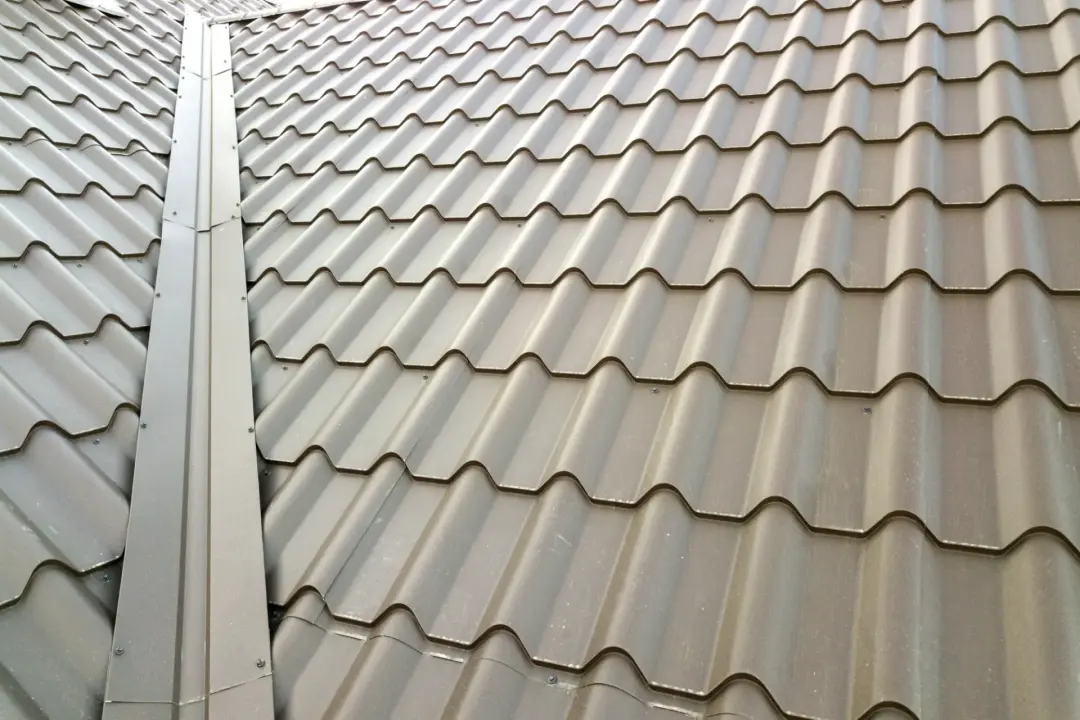
Metal roofing is not one single product. It includes several materials, each with its own strengths, price range, and expected lifespan. Steel is one of the most common choices because it is strong, widely available, and often more affordable than some other metals. It usually has a protective coating to help prevent rust. The quality of this coating is very important because bare steel can corrode if exposed to moisture.
Aluminium is lighter than steel and naturally resists rust, which can make it suitable for coastal areas. It is often chosen where weight is a concern, such as on certain extensions, garden buildings, or structures that may not suit a heavier covering. Aluminium can still dent if hit hard, so thickness and profile should be considered.
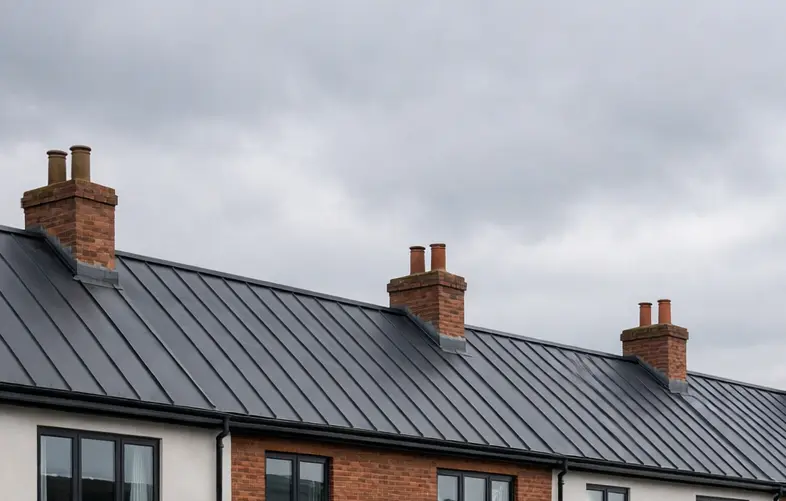
Zinc is often used on modern roofs and detailed architectural projects. It can develop a natural surface layer that helps protect it over time. It is valued for its clean appearance and long life, but it must be installed by someone who understands how the material moves with temperature changes.
Copper is another long-lasting option. It changes colour as it weathers, forming a natural patina. Many people like this aged look, but it is often more expensive than other choices. Each type of metal roofing needs the right fixings, underlay, ventilation, and detailing. Choosing the best type depends on the building, budget, weather exposure, and desired appearance.
How Weather Can Affect a Metal Roof
Weather plays a major role in the life of a metal roof. Rain is usually not a problem when the roof has been installed correctly, but poor drainage can cause issues. If water gathers in low areas, around seams, or behind blocked gutters, it can increase the risk of surface wear, staining, or leaks. Regular rainfall can also reveal weak details around chimneys, roof windows, vents, and wall junctions.
Wind can place pressure on metal sheets, panels, trims, and fixings. In exposed areas, strong gusts may loosen poorly fitted parts or lift edges if the roof has not been fixed to the correct standard. This is why installation should always account for the building location and roof height. A roof in an open rural area may face different wind pressures from a roof in a sheltered street.
Temperature changes also affect metal roofing. Metal expands when warm and contracts when cold. A good system allows for this movement without putting stress on seams or fixings. If movement has not been allowed for, panels may warp, fasteners may loosen, or joints may open over time.
In the UK, roofs also face frost, damp conditions, moss growth, and sudden weather changes. Coastal properties have the added issue of salt in the air. The right material and coating can reduce these risks, but weather should always be considered before choosing a metal roof.
Signs Your Metal Roof May Need Attention
A metal roof often gives clear warning signs when it needs attention. One of the most obvious signs is a leak inside the property. Water marks on ceilings, damp patches near walls, or dripping during rain should always be checked quickly. A leak does not always mean the whole roof has failed. It may come from a small issue, such as damaged flashing, loose fixings, or a failed seal around a roof detail.
Visible rust or corrosion is another sign that the roof needs inspection. Some surface marks may be minor, but spreading rust can weaken the metal and reduce the roof’s lifespan. This is especially important on coated steel roofs, where a scratch or damaged area may expose the metal beneath.
Loose, missing, or raised fixings should also be taken seriously. Fixings hold the system in place and help protect against wind uplift. If they fail, panels may move, rattle, or allow water through. Damaged trims, lifted edges, or gaps around joints can lead to similar problems.
Other warning signs include peeling coatings, heavy staining, blocked gutters, dents, noisy movement, or sagging areas. Moss and trapped leaves may also show that water is not draining properly. Homeowners should not ignore small changes. Early repairs are usually simpler and less costly than dealing with damage that has spread into the roof structure.
How to Help Your Metal Roof Last Longer
The best way to help a metal roof last longer is to keep it clean, clear, and checked. A metal roof is designed to withstand difficult weather, but it still performs best when water can run off freely. Gutters, downpipes, valleys, and drainage points should be kept clear of leaves, moss, and other debris. When drainage is blocked, water may sit against the roof surface or overflow into areas where it can cause damage.
Regular inspections are also important. A yearly check can help spot loose fixings, worn sealant, damaged coatings, or early signs of corrosion. It is often wise to arrange an extra inspection after strong storms, especially if the property is in an exposed area. Storms can loosen trims, move branches onto the roof, or damage fixings.
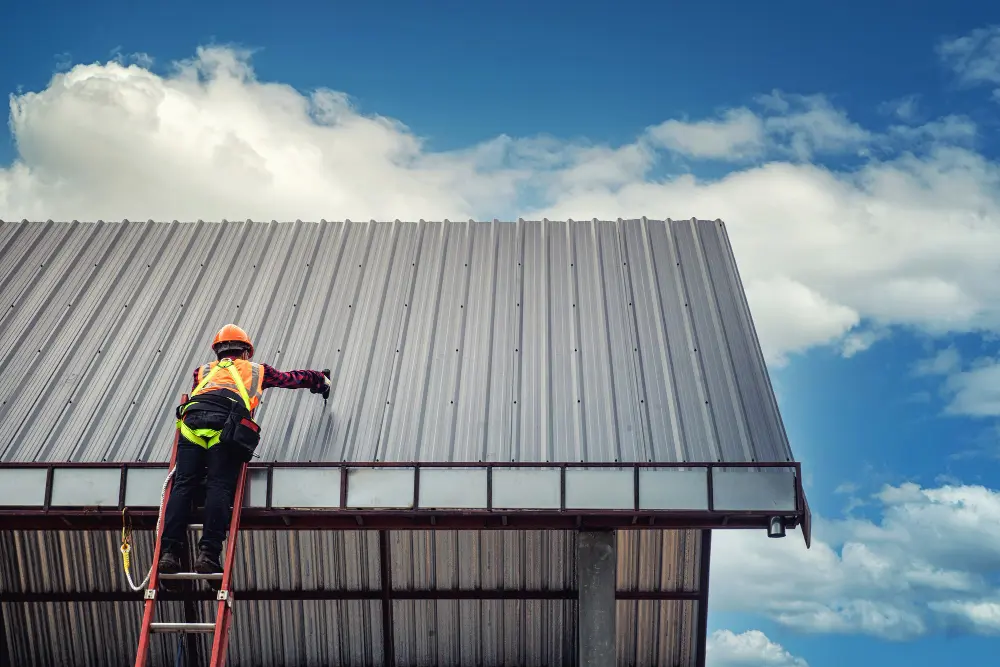
Care should also be taken when anyone needs to walk on the roof. Poor foot placement can dent panels, damage coatings, or loosen seams. Work on the roof should be carried out by someone who knows where it is safe to step and how to protect the surface.
Homeowners should also avoid using harsh cleaning products unless the roofing manufacturer has approved them. Some chemicals can damage protective finishes. Gentle cleaning, prompt repairs, and proper access methods all help extend the life of the roof. A metal roof lasts longest when small problems are treated as important from the start.
Metal Roof Maintenance Tips
Metal roof maintenance does not usually need to be difficult, but it should be consistent. The first useful habit is to look over the roof from ground level after periods of heavy weather. Binoculars can help homeowners notice raised edges, damaged trims, slipped parts, or debris without climbing onto the roof. Any concerns should then be checked by a suitable roofing professional.
Gutters should be cleaned as part of routine home care. Blocked gutters can cause water to back up under roof edges or spill onto walls. Downpipes should also be checked to make sure water is flowing away properly. If the roof sits near trees, this may need to be done more often because leaves and twigs can collect quickly.
The roof surface should be kept free from heavy moss, branches, and built-up dirt. However, cleaning must be done carefully. Pressure washing may damage coatings or force water into joints if done incorrectly. A gentle method is usually safer, especially when dealing with coated panels.
Fixings, flashings, ridge details, and roof penetrations should be inspected because these are common places for wear to start. Sealants can harden or crack over time, so they may need replacing before the main roof covering does. Keeping records of inspections, repairs, and cleaning can also be helpful. It gives homeowners a clear history of the roof’s condition and makes future decisions easier.
Metal Roof Repairs and Inspections
Metal roof repairs should begin with a careful inspection. The aim is to find the real cause of the issue, not just the visible symptom. For example, a damp patch inside the home may not be directly below the damaged part of the roof. Water can travel along underlay, beams, or panels before appearing indoors. This is why a proper inspection is important before any repair work starts.
Common repairs include replacing loose or worn fixings, resealing joints, repairing flashing, treating small areas of corrosion, and replacing damaged panels. In some cases, the roof coating may need local repair if it has been scratched or worn. The repair method should match the roof material. Steel, aluminium, zinc, and copper may need different approaches, and using the wrong product can cause further problems.
Inspections should include the roof surface, edges, ridges, valleys, gutters, flashings, and any roof openings. The person inspecting should also look for signs of movement, trapped moisture, poor drainage, or damage caused by nearby trees. Inside the roof space, signs of damp, staining, poor ventilation, or daylight through gaps can also be useful clues.
Repairs should not be delayed. A small failed seal or loose fixing may seem minor, but it can let in water during heavy rain. Regular inspections help protect the roof, the structure beneath it, and the rooms inside the home.
When to Replace a Metal Roof
A metal roof may need replacing when repairs no longer offer a reliable or cost-effective solution. This does not usually happen quickly. Many metal roofs can be repaired several times during their life. However, there comes a point where widespread corrosion, repeated leaks, damaged panels, or failed coatings make replacement the better choice.
One sign that replacement may be needed is frequent leaking in different areas. If water is entering through several points, the system may have reached the end of its useful life. Large sections of rust, weakened panels, or major storm damage can also make replacement necessary. If the roof has been poorly installed, replacing it may be safer than continuing to patch repeated faults.
The condition of the roof structure beneath the metal covering is also important. If moisture has damaged timber, insulation, or underlay, the work may need to go beyond replacing visible panels. A full roof replacement gives the chance to correct hidden issues, improve ventilation, and install a system that better suits the building.
Age alone is not always enough reason to replace a metal roof. A roof that is 40 years old may still be performing well if it has been cared for. The decision should be based on condition, safety, repair costs, appearance, and the level of protection the roof still provides.
Metal Roofing Compared with Other Roof Types
Metal roofing has several differences when compared with other roof types. One of the main advantages is lifespan. Many metal roofs last longer than common coverings such as felt, some flat roof systems, and many lower-cost tiles. This can make metal roofing appealing to homeowners who want a long-term option.
Metal roofing is also relatively light compared with some traditional materials. This can be useful for certain buildings, as it may place less load on the structure. It can also be formed into different profiles, from standing seam panels to sheets that look more traditional. This gives homeowners a range of design choices.
However, metal roofing can cost more at the start than some alternatives. The price depends on the metal, finish, roof shape, and installation method. It also requires skilled fitting, because poor detailing can lead to leaks or movement problems. Some people may also worry about noise during rain, although good insulation and correct installation can reduce this concern.
Tiles and slates may suit homes where a traditional appearance is required, especially in areas with planning rules. Flat roof materials may suit extensions and low-pitch roofs. Metal roofing is often strongest when long life, clean design, lower weight, and weather resistance are priorities. The best option depends on the property rather than one material being right for every home.
Is a Metal Roof a Long-Term Investment?
A metal roof can be a strong long-term investment because it can last for many decades and may need fewer full replacements over the life of a property. Although the starting cost can be higher than some other roofing choices, the longer lifespan may balance this over time. Homeowners should look beyond the first price and think about how often other roof coverings might need repair or replacement.
A well-installed metal roof can also support the value and appearance of a home. It gives a clean, durable finish and can suit both modern and traditional properties when the right style is chosen. Some metal roofs are also suitable for use with solar panels, although the exact design and fixing method should be checked before installation.
There are practical benefits too. Metal roofing can handle changing weather well, shed rain effectively, and resist many problems that affect other materials. It is also low maintenance compared with some roof types, although it still needs inspections and care.
The value of the investment depends on choosing the right product and installer. A cheap metal roof fitted badly may not deliver the expected lifespan. A good system, fitted correctly, with suitable coatings and proper details, is more likely to perform well. For homeowners planning to stay in their property for many years, metal roofing can be a sensible and lasting choice.
Looking for reliable metal roofing that will last for many years to come? Look no further than DTC Standing Seam Specialist. Our team have all the skills and materials needed to provide you with strong, durable metal roofing that will protect your home or property.
Related Articles
Is Metal Roofing Right for Your Home