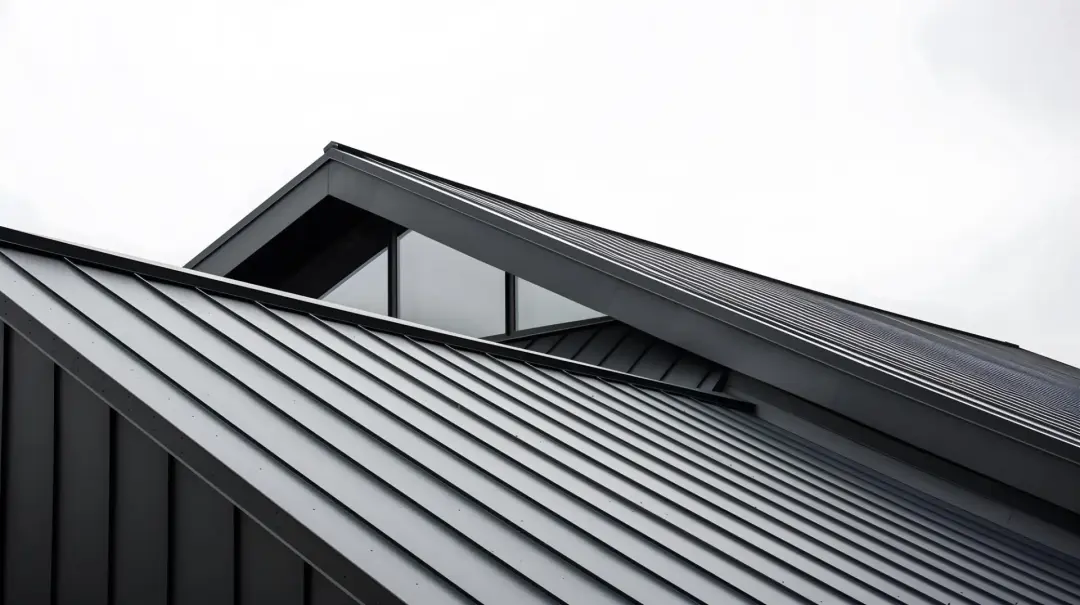
Considering if metal roofing is right for your home? Benefit from its weather resistance, aesthetic options, and energy efficiency for a long-lasting, low-maintenance roof.
Key Benefits of Metal Roofing
Metal roofing offers several clear benefits for homeowners who want a strong and long-lasting roof covering. One of the main advantages is durability. A well-installed metal roof can last for several decades, which means it may not need replacing as often as some other roofing materials. This can make it a practical choice for people who want a roof that will continue to protect the home for many years.
Another benefit is weather resistance. Metal roofing can deal well with rain, wind, frost, and changing temperatures when the correct system is chosen. Many metal roofs are designed to let rainwater run off quickly, which helps reduce the risk of water sitting on the surface. This can be especially useful in areas where wet weather is common.
Metal roofing can also be lightweight compared with some traditional materials. This may help on buildings where the roof structure cannot support heavier coverings. It can also be useful for extensions, garden rooms, and certain modern homes.
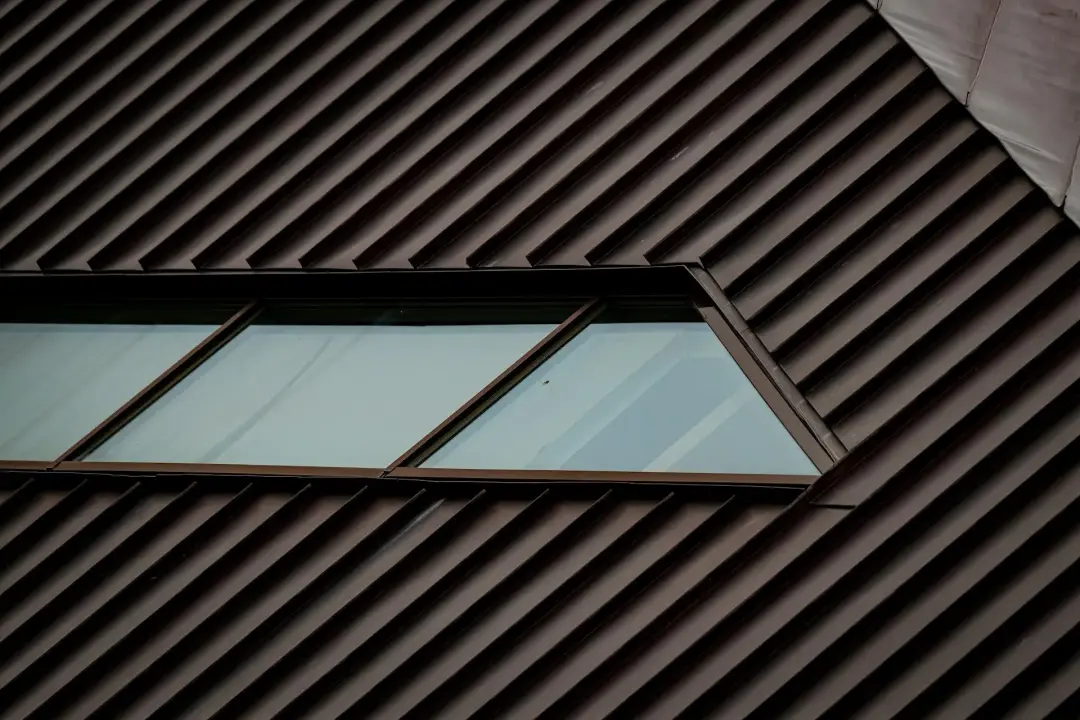
The appearance is another strength. Metal roofing comes in different styles, colours, and finishes. Some systems have a clean modern look, while others are shaped to suit more traditional properties. It can also work well with roof windows, solar panels, and simple roof shapes. For many homeowners, the main benefit is the balance of strength, lifespan, and low day-to-day care.
Possible Drawbacks to Consider
Metal roofing has many benefits, but it is not the right choice for every home. One possible drawback is the starting cost. Metal roofing can be more expensive than some other roof coverings, especially when using high-quality materials or more detailed systems. The cost can rise further if the roof has a complicated shape, many joins, or difficult access.
Installation skill is another important point. Metal roofing needs careful fitting. Poor installation can lead to leaks, loose panels, noisy movement, or problems with expansion and contraction. This means homeowners should not choose an installer based on price alone. A low quote may become costly later if the work is not done properly.
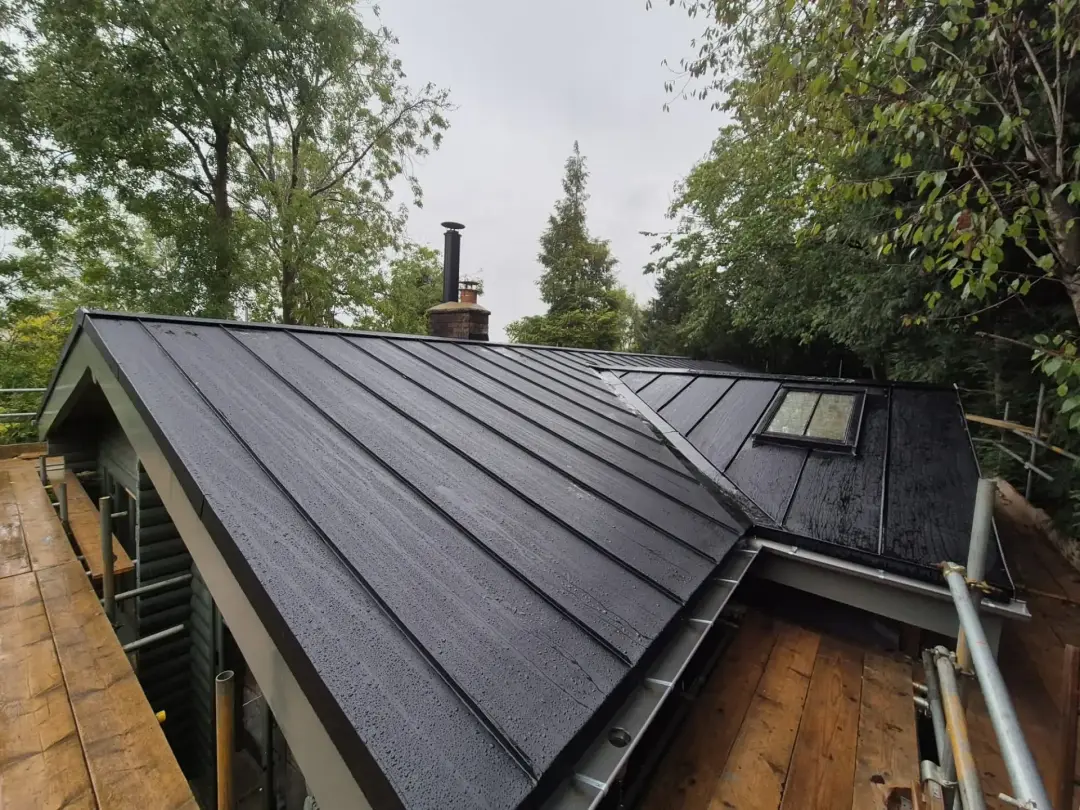
Some homeowners also worry about noise. Rain falling on metal can be louder if the roof has poor insulation or if it is fitted over a thin structure. However, this can often be reduced with suitable insulation, underlay, and roof build-up. Noise is usually more of a problem on sheds or outbuildings than on well-insulated homes.
Denting can also be a concern with some types of metal roofing. Hail, falling branches, or careless foot traffic may mark softer or thinner materials. In areas with planning controls, the appearance may also need approval. Before choosing metal roofing, homeowners should weigh the cost, style, noise control, and installer quality against the long-term benefits.
How Long Does Metal Roofing Last?
Metal roofing is known for its long lifespan. In many cases, a metal roof can last between 40 and 70 years, depending on the material, finish, installation, and local conditions. Some metals, such as copper and zinc, can last even longer when fitted correctly and used in the right setting. Steel and aluminium can also give many years of service when protected by suitable coatings.
The length of time a metal roof lasts depends heavily on the quality of the full roofing system. The visible panels are only one part of the roof. Underlay, ventilation, fixings, flashings, gutters, and trims all affect long-term performance. If these parts are poor or badly fitted, the roof may fail earlier than expected.
Location also matters. A home near the coast may need a material that can cope with salt in the air. A house in an exposed rural area may need stronger fixings and careful wind resistance. A shaded property surrounded by trees may need more cleaning to prevent leaves and moss from holding moisture on the surface.
Maintenance affects lifespan too. Although metal roofing is often described as low maintenance, it is not maintenance free. Checks should be carried out to spot scratches, blocked gutters, loose fixings, or worn sealant. With good care, metal roofing can offer one of the longest service lives of any roof covering used on homes.
Is Metal Roofing Good for UK Weather?
Metal roofing can be well suited to UK weather when the correct system is chosen. The UK has a mix of rain, wind, frost, damp air, and changing temperatures. A good metal roof can manage these conditions because it sheds water quickly and can be designed to resist strong wind. This makes it useful for many homes, including properties in wetter or more exposed areas.
Rain is one of the main weather concerns for any roof. Metal roofing performs well when the roof pitch, seams, flashings, and drainage are designed correctly. Water should run towards gutters without sitting in low areas. If gutters become blocked, however, water can back up and cause problems, so maintenance remains important.
Wind is another factor. Metal sheets or panels must be fixed securely, especially on exposed buildings. A professional installer should account for roof height, location, and wind pressure. Poor fixing can lead to rattling, lifting, or damage during storms.
Cold weather can also affect a roof. Metal expands and contracts as temperatures change, so the roofing system must allow safe movement. If this is ignored, panels may become stressed. Coastal homes need extra care because salt air can affect some metals and coatings. With the right product, finish, and installation method, metal roofing can be a strong choice for UK homes and can handle the varied weather well.
Metal Roofing and Energy Efficiency
Metal roofing can support energy efficiency, but it depends on the full roof build-up rather than the metal alone. A roof’s energy performance is shaped by insulation, ventilation, air tightness, colour, and the way the roof is installed. Metal is a good conductor, so it can transfer heat quickly. This means insulation beneath the roof is very important for keeping the home comfortable.
In summer, some metal roofs can help reflect sunlight, especially when they have lighter colours or special reflective coatings. This can reduce heat build-up in the roof space. In winter, the main concern is keeping warmth inside the home. This is where good insulation and careful sealing make the biggest difference.
Ventilation is also important. A poorly ventilated roof can trap moisture, which may lead to condensation. Condensation can affect insulation, timber, and the underside of the roof covering. A well-designed metal roof includes the right layers to control moisture and allow the roof to breathe where needed.
Energy efficiency should be discussed before installation, not added as an afterthought. The installer should consider the existing roof structure, insulation depth, underlay, and any planned solar panels. Metal roofing can work well as part of an efficient home, but the best results come from treating the roof as a complete system rather than focusing only on the outer material.
Noise, Insulation and Comfort
Noise is one of the most common concerns homeowners have about metal roofing. People often imagine heavy rain sounding loud inside the home. This can happen on thin, uninsulated structures, such as sheds or basic outbuildings. However, a properly designed home roof is different. With good insulation, underlay, and internal ceilings, rain noise can be greatly reduced.
The roof build-up makes the biggest difference. Insulation helps control both sound and temperature. A solid layer beneath the metal roof can reduce the sound of rain, hail, and wind. It also helps keep rooms warmer in winter and cooler in summer. This makes the home more comfortable throughout the year.
Comfort is not only about noise. A metal roof should also help prevent draughts, damp, and condensation. If the roof is installed without proper ventilation or moisture control, warm indoor air can meet cold surfaces and create condensation. Over time, this may damage timber or insulation. Good design helps prevent this by using suitable membranes, ventilation paths, and seals.
Homeowners should ask how the roof will be built, not just what the outer material will be. The comfort of a metal roof depends on the layers beneath it. When those layers are planned well, metal roofing can be quiet, warm, and suitable for everyday living spaces.
Metal Roofing Costs
Metal roofing costs can vary widely. The final price depends on the type of metal, roof size, roof shape, access, insulation needs, and level of detail. A simple roof with straight runs will usually cost less than a roof with valleys, roof windows, chimneys, dormers, or many junctions. Labour is also a major part of the cost because metal roofing needs skill and careful detailing.
Steel systems are often more affordable than materials such as zinc or copper. Aluminium can sit between different price levels depending on the product and finish. Coated systems may cost more at first, but a good coating can help protect the roof and reduce future problems. The cheapest option is not always the best value if it leads to repairs sooner.
Homeowners should also think about the cost over the roof’s full life. A metal roof may cost more to install than some alternatives, but it may last much longer. If another roof type needs replacing two or three times in the same period, the long-term cost comparison may change.
Quotes should be clear and detailed. They should explain what material is being used, what underlay and insulation are included, how flashings and gutters will be handled, and whether old roofing will be removed. A clear quote helps homeowners compare like for like and avoid unexpected costs during the project.
Maintenance Requirements
Metal roofing is often low maintenance, but it still needs regular care. The main aim is to prevent small issues from becoming larger problems. Homeowners should keep gutters, valleys, and outlets clear so rainwater can drain properly. Blocked drainage can cause water to sit where it should not, which may lead to staining, leaks, or damage over time.
The roof surface should also be checked for debris. Leaves, branches, moss, and dirt can hold moisture against the roof. This is more likely on homes near trees or in shaded areas. Light cleaning may be needed from time to time, but it should be done carefully. Harsh tools or strong cleaning products may damage protective coatings.
Fixings and flashings should be inspected as part of routine maintenance. These areas often wear before the main roof panels. Sealants can crack, screws can loosen, and trims can move slightly after years of weather exposure. Catching these issues early can protect the roof and the rooms beneath it.
Homeowners should not walk on a metal roof unless it is safe and necessary. Poor foot traffic can dent panels or damage coatings. It is better to use a professional for close inspections and repairs. With sensible care, metal roofing can remain in good condition for many years without heavy maintenance demands.
When Metal Roofing May Be the Right Choice
Metal roofing may be the right choice when a homeowner wants a durable, long-lasting roof with a clean appearance. It is especially suitable for people who plan to stay in their home for many years and want to reduce the chance of full roof replacement in the near future. Its long lifespan can make it appealing for families who want a practical long-term option.
It can also be a good choice for modern extensions, garden rooms, garages, and homes with simple roof shapes. Standing seam metal roofing, for example, can give a sharp and tidy finish that works well with modern design.
Metal roofing can also be useful where weight is a concern, because many systems are lighter than traditional tiles or slates. Homes in wet or windy areas may benefit from metal roofing, provided the system is designed for the location. The material can shed rain well and resist difficult weather when installed correctly. It may also suit properties where solar panels are planned, although the roof design should be checked first.
Metal roofing may not be the best choice if the property is in a strict conservation area, if a very traditional roof appearance is required, or if the budget cannot support proper installation. It is most suitable when quality materials, skilled fitting, and suitable design can all be brought together.
Choosing a Metal Roofing Installer
Choosing the right installer is one of the most important decisions when fitting a metal roof. The quality of the material matters, but the quality of the installation matters just as much. A skilled installer will understand how to deal with movement, fixings, flashings, ventilation, drainage, and roof details. These parts can decide whether the roof lasts for decades or develops early problems.
Homeowners should ask about previous metal roofing work. It can help to see examples of completed projects, especially roofs that are similar in shape or material. An installer who works mainly with tiles may not always have the right experience for standing seam, zinc, aluminium, or coated steel systems. Metal roofing has its own methods and should not be treated like every other roof covering.
A good installer should explain the full roof system. This includes the outer metal, underlay, insulation, ventilation, gutters, flashings, and trims. They should also explain how the roof will manage rain, wind, and temperature movement. Clear communication before work starts can prevent confusion later.
The quote should be detailed and easy to understand. It should state what is included, what is excluded, and what might cost extra. Homeowners should avoid choosing on price alone. A properly fitted metal roof can last for many years, but poor workmanship can reduce its life and lead to costly repairs. The best installer is one who combines experience, clear advice, and careful workmanship.
Looking for reliable metal roofing that will last for many years to come? Look no further than DTC Standing Seam Specialist. Our team have all the skills and materials needed to provide you with strong, durable metal roofing that will protect your home or property.
Related Articles
How Long Does a Metal Roof Last